A good wok feels like a dwelling issue when it’s correctly matched to the flame below it. It responds swiftly, speaks by using the hiss of oil and the bounce of veggies, and rewards decisiveness. Pair it with the wrong burner, notwithstanding, and you’ll chase warmth that certainly not fairly arrives, stew as opposed to sear, and turn out to be blaming the recipe. Flame output concerns, but size, structure, and metallic thickness be counted just as much. For a widely wide-spread domicile gas range with a 12,000 BTU burner, the balance is greater nuanced than with no trouble “bigger is bigger.”
I actually have cooked on everything from whisper-vulnerable rental stoves to jet-engine outdoors burners, and I’ve learned that the wok is a equipment, now not an item. Heat shipping, pan geometry, metal thickness, and your cooking form all play into the very last choice. If you're asking, what size wok do I want, the fair reply starts together with your BTUs, then folds in your kitchen, your parts, and how you adore to head.
Why a 12,000 BTU Burner Changes the Wok Equation
Professional wok burners throw a hundred,000 BTU or more and cradle a hand-hammered carbon metallic wok in a blast of flame that licks the sides. That ambiance encourages an even bigger wok with steep slopes as a result of the warmth climbs up and across the bowl. A well-known residence gasoline burner at 12,000 BTU concentrates its energy close to the heart, then trails off fast as you climb the partitions.
That drop-off subjects. Stir-fry method relies upon on immediate surface renewal and side-to-heart tossing. When the edges are too cool, food spends too lengthy faraway from the heat, loses momentum, and leaks moisture into the pan. You discontinue frying and begin steaming.
On a 12k burner, the candy spot is a wok small ample to hinder the edges scorching, but generous sufficient to toss a cheap amount with no crowding. You wish a diameter that continues the rim in the burner’s thermal wake and a thickness that heats swiftly yet does now not wilt if you happen to upload a touch of sauce or a handful of mushrooms.
The Short Answer: 12 to 13 inches for Most Home Cooks
If you want the ground line, a 12 to 13 inch carbon metallic wok fits a 12,000 BTU fuel burner superbly. That measurement provides you enough floor for a pound of protein and a pan of veggies, without stretching the flame too thin. It sits stably on a grate, accepts a hoop if you happen to decide on one, and heats rapid adequate that one can cook dinner in batches without ready a long time between rounds.
Go a lot increased, 14 inches or wider, and also you’ll uncover the edges lukewarm until your grate funnels flame closer to the midsection or your cookware sits very low to the warmth. Go smaller than 12 inches, and also you lose versatile potential and tossing room. You additionally cluster heat so tightly that sizzling turns into a familiar visitor.
There are exceptions, and we’ll get to the ones. But for maximum house setups with 12k BTU, 12 to thirteen inches is the safe vary.
Round Bottom, Flat Bottom, and the Realities of Your Stove
Shape is inseparable from dimension. Round-backside woks are conventional on account that they reveal a compact, convex subject to the most up to date fire, then sweep upward for tossing and facet-frying. Home burners, on the other hand, are flat, with safeguard grates and top stands. A around-bottom wok balances precariously with out a wok ring, and a hoop lifts the pan farther from the flame. Every centimeter of elevation charges warmness.
A flat-backside carbon steel wok of 12 or 13 inches solves this for so much people. The flat section sits at once at the grate, near to the burner head, so that you get powerfuble heat switch. The sloped partitions nonetheless allow exact wok motion, and you can swirl oil into a shallow pool for aromatics. You lose the pure cradle result of a prime-speed jet surrounding a circular-backside, yet you benefit stability and speed on your express burner.
If you cook dinner on a rangetop with a recessed wok grate or detachable trivet designed for spherical-bottom cookware, you could possibly imagine a 13 or 14 inch round-backside. Be aware, notwithstanding, that on a 12k burner, a 14 inch around-bottom will have full of life heat at the ground and far cooler aspects unless the grate sinks the wok very near to the jets. If your grate lifts the wok, a smaller diameter may possibly practice better even with custom.
Thickness and Metal: Why 1.2 to 1.6 mm Carbon Steel Wins
Material possibility could make or spoil efficiency at this BTU level. Carbon metal is the workhorse for a reason. It is faded adequate to warmness instant and respond to modifications, yet dense satisfactory to construct searing electricity as soon as it’s preheated. For a 12,000 BTU burner, look for 1.2 to at least one.6 millimeters of thickness.
Below approximately 1.2 mm, the wok heats in a flash however drops temperature onerous after you upload bloodless elements. You will wrestle with warm-and-chilly oscillations. Above 1.6 to two.0 mm, the wok feels authoritative, but a 12k flame struggles to saturate that mass. You’ll wait longer for preheat and under no circumstances pretty discover the snap you favor for rapid batches.
Stainless woks glance sleek however behavior warm poorly and weigh more for the similar stiffness. Cast iron woks retain heat like a vault, however they are heavy, gradual to preheat, and punishing on a 12k burner until you cook dinner small batches and settle for a calmer tempo. With 12k BTU, the desirable carbon steel pan will virtually consider extra vigorous and responsive.
Calibrating the Bottom Surface: Not Too Small, Not Too Wide
Flat-backside woks range in how titanic the flattened place is. For a 12 to 13 inch wok, a flat that measures roughly five to 6 inches throughout serves a domestic gasoline burner well. Smaller, and also you funnel your complete warm into a https://collinhrvz932.theburnward.com/what-size-wok-do-i-need-if-i-entertain-guests-often tiny circle that scorches actual whilst the slope stays highly cool. Larger, and you push warmth too a long way outward, where it wanes.
The intention is a brilliant sizzling midsection with ample ramp around it that meals can land, sear, then stream up and away devoid of being stranded within the bloodless. That transitional slope is wherein brilliant stir-frying happens: flash touch, toss, repeat.
Capacity and Batch Size: Honest Limits That Make Better Food
The quickest method to turn your stir-fry right into a braise is to overload the wok. On a 12k burner with a 12 to 13 inch carbon steel wok, plan on approximately 12 to sixteen ounces of protein per batch, plus fragrant vegetables, with denser veg cooked either first or one at a time. If you desire to feed six hungry folk, cook in two or three batches and rejoin on the quit with a swift sauce toss.
This seriously isn't a compromise lots as constancy to the methodology. In official kitchens, even with industrial burners, cooks spread orders throughout varied quick batches for consistent texture and warmth retention. The big difference at abode is smaller margins. Respect them and you’ll style the reward: crisp edges, brilliant vegetables, no puddles of gray liquid.
Handle Styles and What They Signal About Use
Northern-model woks include a protracted tackle that encourages tossing and one-handed control. Cantonese-genre woks have two loop handles suited to two-passed flow and excessive-heat, prime-quantity kitchens. On a 12k burner and a 12 to thirteen inch wok, an extended tackle is effortless and intuitive, primarily when your stove sits deeper or you decide upon wrist-pushed movement. Two loops are blissful if you hardly ever toss and have faith in a spatula to maneuver nutrition.
If you pick out a heavier-gauge wok or one in the direction of 13 inches, the long handle gives leverage to flick and shake, preserving delicacies in action when the heat is slight. Choose based mostly on your cooking sort greater than culture. The burner gained’t care, yet your rhythm will.
The Role of a Wok Ring With a 12k Burner
A ring stabilizes a spherical-backside wok and will recognition flame, but it also increases the pan. On a modest burner, that elevate can blunt warm. If you've a committed forged iron or metallic ring that drops the wok cut back than the grate peak, it will probably be worth applying. Most established jewelry, though, push the wok up and out of the sweet quarter.
For a 12k burner, I advise skipping the ring except your stove grates are slippery or your wok is just too volatile with out it. A flat-bottom wok avoids this question entirely and probably plays more suitable for weekday cooking in a modern day kitchen.
Surface Treatments: Seasoning, Stickiness, and Patience
A well-pro carbon metal wok acts like a raincoat for temperature swings. It sheds moisture speedier and releases stir-fry constituents with fewer sticking incidents. On a 12k burner, in which each bit of thermal efficiency is helping, useful seasoning and accurate preheat make a visual distinction.
I season new woks on the stovetop with a thin movie of excessive-smoke-factor oil, heated except it sheens and just hums with vapor, then cooled and wiped, repeated countless occasions. Early cooks needs to be forgiving: eggs after aromatics, noodles after proteins, sauces in measured splashes. Your seasoning will mature inside a dozen periods, and your range’s barriers will experience much less restricting.
How Pan Shape Influences Flame Contact
The steepness of the wok’s curvature determines how an awful lot steel sits in the full of life core of your burner. A tight, steep bowl that rises speedily off the bottom maintains more of its surface almost the centerline. With a 12k burner, that may well be efficient. A shallow, soft slope spreads the steel huge, which seems to be generous yet might go away too much region in lukewarm territory.
When you keep, appearance not solely at diameter but at how the bowl climbs. For a domestic burner, a slightly steeper profile within the 12 to 13 inch length occasionally feels livelier than a extensive, shallow 14.
When a 14 Inch Wok Works on 12k BTU
There are explanations to head 14 inches even with a 12k burner. If your stove has a huge, open burner head that flares heat greatly, or a grate that sinks the cookware virtually the jets, you'll keep up a bigger sizzling zone. If you in most cases cook dinner top-moisture veggies and favor greater actual estate to hinder them shifting whilst moisture evaporates, the additional rim can assistance.
I’ve used a 14 inch flat-bottom on a 12k burner in a kitchen with a low, wide grate and discovered it proper for 2 to 3 servings, notably once I preheated totally and kept batches small. But the moment I attempted to brown a pound and a half of marinated beef in one move, the wok scolded me with steam. If you select on 14 inches, pair it with 1.2 to 1.4 mm thickness and a smaller flat section so you don’t spread the flame too skinny.
Heat Management: Preheat Discipline and Timing
A 12k burner does its optimum work whilst you provide it a head birth. Let the wok warm unless a drop of water skitters and disappears in underneath two seconds. Add oil, swirl to a thin sheen, then wait yet another 15 to twenty seconds unless the oil shimmers and faint wisps appear. Aromatics should burst, not sigh.
Cook proteins first in a thin layer, spread straight away, depart undisturbed for 30 to 45 seconds to sear, then move. If the pan dulls out, give it a breather: empty it, bring it again to temperature, then preserve. On a extra highly effective burner you will struggle through, yet on 12k, pausing to reheat retains high-quality prime.
Gas vs Induction: A Small Detour With Consequences
If your 12k similar is an induction hob rated around 1.eight to two.1 kW, a flat-backside carbon metal wok will to come back outperform a round-backside. Induction can provide warm in which steel meets coil, so a enormous curve loses contact. A 12 to 13 inch flat-backside, 1.4 mm thick, lands squarely on the coil, heats frivolously, and plays properly. Curved induction-selected woks exist, yet they have faith in unusual concave coils that maximum dwelling house models don’t have.
The Wok Hei Question on a Home Burner
Wok hei, that elusive breath of the wok, is dependent on a conflagration of warmth, oil aerosolization, and micro Maillard reactions that in the main bloom within the flame halo of industrial burners. A 12k homestead burner will not reproduce that particular profile. That spoke of, you would get closer with the suitable measurement and manner. Dry your ingredients effectively, preheat faithfully, work in batches, and use a sauce that reduces easily instead of floods the pan. If your wok is nicely matched in length, you will pay attention the thrill and scent the toasty aromatics even with no a dragon’s breath below the pan.
Visual Cues When You’ve Got the Size Right
You’ll understand the pairing works when oil beads dance across the surface in a active, even sample, and seared cuisine releases cleanly with a comfortable push. Tossed veggies ought to hit the aspect and preserve sizzling, now not fall quiet. After a splash of sauce, steam deserve to upward thrust then vanish as it clings and decreases, now not linger as a fog that cools the pan for lengthy seconds.
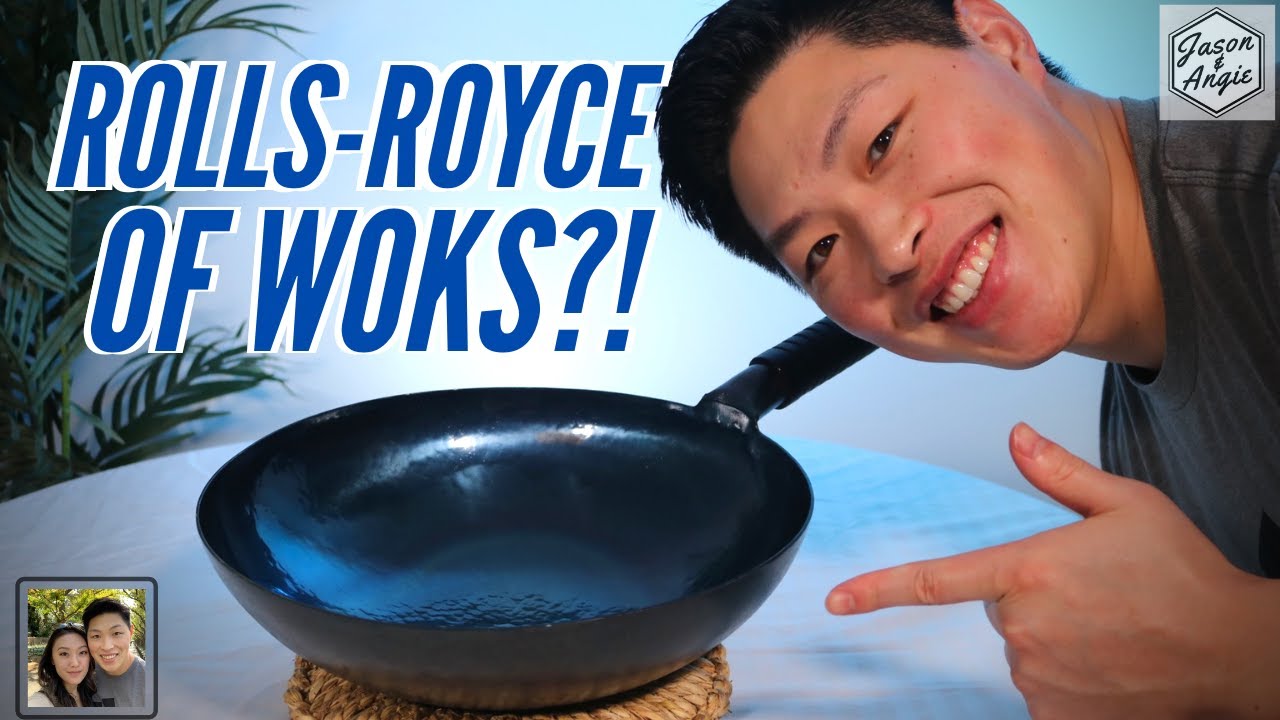
If, even so, you simply have sound in a small significant bullseye and silence on the slope, your wok is too considerable or too thick for the burner. If the entirety scorches abruptly without a forgiveness, you are going to be too small or too thin, or in reality operating too scorching to your preheat time.
Edge Cases Worth Considering
- If your cookware lineup already comprises a heavy cast iron skillet for searing, a smaller, 12 inch carbon steel wok makes a nimble better half on 12k BTU. Use the skillet for browning dense proteins, then conclude the stir-fry in the wok for velocity and action. If you adore noodle stir-fries, prioritize a steeper 12 or 13 inch wok with a 5 to 6 inch flat, which supports bring together noodles inside the sizzling midsection while you turn them using sauce with out spilling. If you usually cook for one, an 11 to twelve inch wok can consider sharper and swifter on a 12k flame, distinctly for vegetables and fried rice. The change-off is crowding while you scale up.
Buying Notes From Using and Testing
I’ve found that hand-hammered textures don’t substitute warm basically, however they do assistance oil cling and spread. Riveted handles feel sturdier than spot-welded ones over years of tossing. A trouble-free, unfinished timber or phenolic handle that remains cool lets you work turbo. Lids depend much less for stir-fry however a geared up lid is practical for rapid steaming of veggies or completing clams in black bean sauce.
If a company lists thickness, look for 1.4 to 1.6 mm for a 12 to 13 inch wok on 12k BTU. If they don’t listing it, elevate the wok if plausible. It may still consider pale adequate to wield one-exceeded, now not like a kettle bell.
A Practical Test Drive at Home
Before you commit to a dimension, mimic the enjoy. Place a 12 inch skillet focused on your 12k burner. Watch how a ways the flame reaches under the pan at complete blast. Imagine that circle as the flat of a wok, with the partitions emerging. Now do the equal with a thirteen inch pan. If your flame slightly covers the pan at 13 inches, that’s your ceiling. If it licks broadly and your grate sits low, thirteen inches perhaps your sweet spot, with the option to try 14 later.
Another test: boil 1 cup of water in a carbon steel pan of comparable length. Time how long it takes to reach a energetic boil and the way soon it recovers when you upload a handful of room-temperature veggies and drain straight away. That healing think mirrors how a wok will behave with factual nutrients.
Care and Maintenance With a 12k Lifestyle
Because your burner isn’t a flamethrower, your wok will raise more of the workload. Keep it easy however oiled. After cooking, rinse promptly with hot water, wipe with a nonabrasive scrubber, dry over low warmth for a minute, and rub a breath of oil across the floor earlier the pan cools. That whisper-thin film builds seasoning and helps a higher preheat run smoother.
Avoid the dishwasher. Avoid soaking. If you scorch, a paste of coarse salt and a folded towel will release caught bits with no tearing the professional patina. If rust seems to be, scrub it off, reseason, and stick with it. Carbon metal forgives.
Pulling It Together: Matching Your Burner to the Right Wok
For a 12,000 BTU residence gas burner, the Goldilocks alternative is a 12 to 13 inch carbon metal wok with 1.2 to one.6 mm thickness, preferably flat-bottomed unless your stove helps a round-bottom with out lifting it far from the flame. Aim for a 5 to 6 inch flat once you cross flat-bottom, and a just a little steeper profile so the edges keep energetic. Expect to cook in straightforward batches, depend upon a stable preheat, and enable seasoning do its quiet work over the years.
If you might be nevertheless asking your self what length wok do I desire, that question could now suppose much less abstract. It will become: how a great deal heat do I have, how shut can I get the pan to that heat, and the way do I like to transport delicacies? With a 12k burner, the top answer sits in that 12 to 13 inch window for pretty much every person, with small detours for exact kitchens and exact cooks.
A Short, Practical Checklist for Choosing
- Burner: Standard house fuel at 12,000 BTU favors 12 to 13 inch diameter. Shape: Flat-backside for steadiness and proximity, around-bottom handiest if your grate helps it with out lifting. Thickness: 1.2 to at least one.6 mm carbon metal for responsive warmth and ample reserve. Bottom length: About five to 6 inches flat on a 12 to thirteen inch wok to balance sear and unfold. Batch conduct: Plan 12 to 16 oz of protein in step with batch, reheat among rounds as obligatory.
With the ones aspects aligned, your wok will forestall feeling like a compromise and start feeling like a spouse. The burner will do its part, the metallic will sing, and you may taste the change in each instant meal that jumps from scorching steel to plate with colour, crunch, and fragrance intact.